Microdosing and Mental Health: What the Evidence Says Today
A balanced look at microdosing claims, research limits, safety considerations, and why clinical screening still matters.
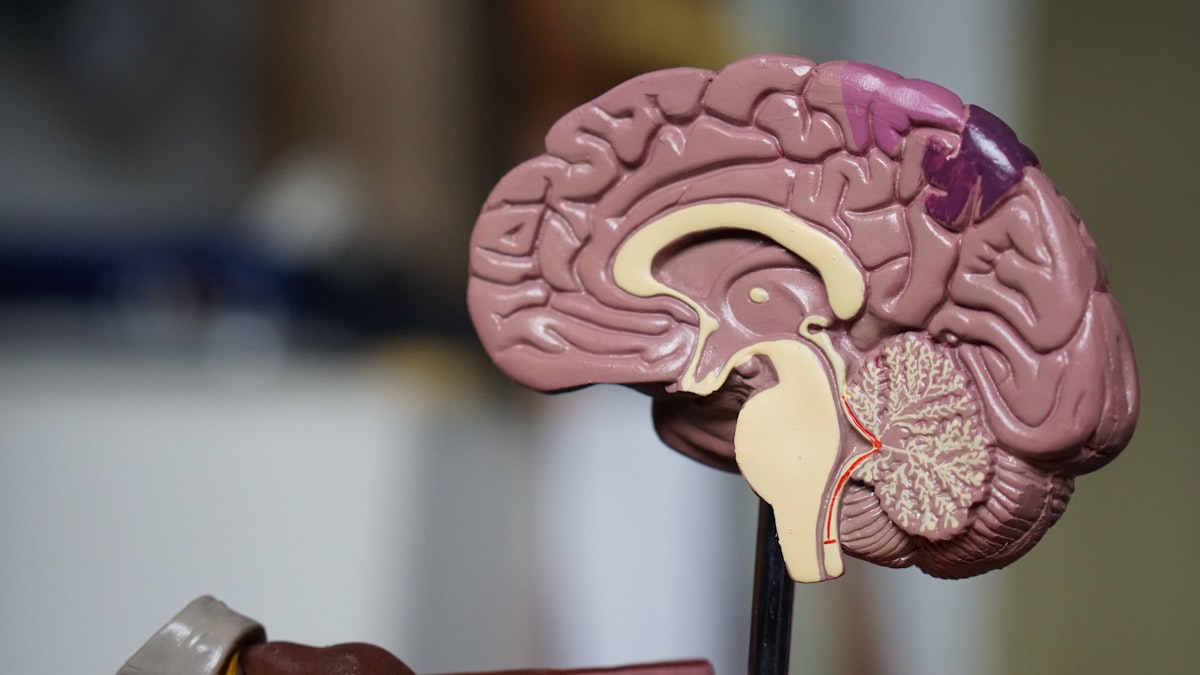
Microdosing—taking sub-perceptual doses of psychedelics such as psilocybin or LSD—has gained attention as a possible mood and focus aid. Doses are typically far below recreational levels, so hallucinations are uncommon. Interest spans professionals, parents under stress, and people seeking alternatives to conventional anxiety or depression treatment. This article is informational only; it is not medical advice, and illicit use carries legal and health risks.
What microdosing claims to do
Users report subtle changes in creativity, focus, patience, and emotional regulation—not dramatic trips. Media accounts describe parents managing stress or professionals seeking cognitive flexibility. Anecdotes are plentiful; rigorous evidence is still catching up.
What patients confuse with microdosing success
Improved mood after starting microdosing may reflect placebo, lifestyle changes made at the same time, natural remission of a depressive episode, or finally sleeping after reducing caffeine. Without baseline PHQ-9 and GAD-7, it is easy to attribute change to the substance alone. Repeat screeners eight weeks later; if scores are unchanged, the experiment did not clinically help.
Research landscape
Legal restrictions long limited formal studies; that is changing. Some trials suggest possible benefits for depression and anxiety symptoms and for divergent thinking, but placebo-controlled work often shows strong expectancy effects—people feel better because they expect to. Purity, dose, and individual psychiatry history are uncontrolled in self-experimentation, which makes outcomes unreliable.
Published microdosing schedules vary widely online; none are FDA-approved home protocols. That gap matters when comparing forum advice to supervised trial designs.
Important: Self-medication with psychedelics can interact with medications, worsen underlying psychiatric conditions, and carry legal and workplace testing consequences. Consult licensed clinicians about evidence-based options first.
Screen mood and anxiety before experimenting
If you are considering any substance to manage mood, start with measurement and professional dialogue:
- PHQ-9 for depressive symptoms
- GAD-7 for worry and tension
- ISI if sleep is disrupted
- WSAS if work or relationships are impaired
Read depression awareness, understanding anxiety, and early mental health screening. Scores 10+ on PHQ-9 or GAD-7 warrant clinical care—not unmonitored self-experimentation.
Evidence-based alternatives with stronger safety data
Many approaches activate reward and calm pathways without illicit risk:
- CBT and other psychotherapy — First-line for many anxiety and depression presentations
- Medication when prescribed and monitored
- Mindfulness and MBSR — See mindfulness techniques
- Exercise, sleep routine, social connection — Self-care practices
- Work and relationship stress reduction — Workplace burnout recovery, emotional burnout in relationships
Medical and legal considerations
Risks of unsupervised use include unknown substance content, psychological distress (especially with trauma or psychosis history), dangerous drug interactions, legal penalties, and career impact from positive drug tests. FDA-approved psychedelic research exists in supervised settings—distinct from home microdosing.
When to seek professional help
Seek urgent help for self-harm thoughts. Schedule evaluation for persistent depression or anxiety, substance dependence, or psychotic symptoms—regardless of microdosing interest.
Track PHQ-9 and GAD-7 on One Mental Hub to discuss trends with a clinician. Review our medical disclaimer.
How clinicians approach treatment instead
Standard care paths include psychotherapy (CBT, IPT, or trauma-focused approaches when indicated), antidepressants or anti-anxiety medications when appropriate, and lifestyle interventions with strong evidence. Digital tools such as One Mental Hub let you repeat PHQ-9 and GAD-7 over time so you and a clinician can see whether a chosen plan is working—something informal microdosing logs rarely provide with the same validity.
If workplace burnout recovery or emotional burnout in relationships describes your context, addressing environment and boundaries may relieve symptoms without any substance.
Questions to ask before any substance experiment
- Have I completed PHQ-9, GAD-7, and WSAS in the last month?
- Am I on psychiatric medications that could interact dangerously?
- Do I have personal or family history of psychosis or bipolar disorder?
- Would a positive drug test endanger my job or custody situation?
- Have I discussed options with a licensed prescriber or therapist?
Honest answers reduce harm. Curiosity about psychedelics does not cancel the need for conventional care when screeners are elevated.
Talking to your doctor honestly
Bring PHQ-9, GAD-7, and WSAS printouts or One Mental Hub trends. Ask about evidence-based options first—therapy waitlists, medication trials, sleep treatment. If you already microdose, disclose it for interaction screening; clinicians are not there to punish curiosity but to keep you safe.
Media hype vs. clinical reality
Podcasts and forums outperform peer-reviewed trials in enthusiasm. FDA-supervised psychedelic therapy trials use controlled doses, screening, and integration sessions—very different from informal microdosing schedules. Wait for legal, medical pathways in your region when possible.
Resources that stay on the evidence side
Prefer information from university psychedelic research centers, FDA trial listings, and your national mental health associations over influencer protocols. Pair reading with PHQ-9 and GAD-7 baselines so curiosity does not delay care that already meets clinical thresholds.
If a friend is microdosing without support
Encourage PHQ-9/GAD-7 screening and professional consult; avoid supplying substances. Share depression awareness and understanding anxiety articles if they resist formal care.
If a strategy helps briefly then fades, treat that as information: you may need higher-intensity care, environmental change, or a different technique—not more willpower alone.
Small, repeatable habits—sleep timing, movement, social contact, bounded worry time—support most mental health plans. They rarely replace treatment when screeners stay in moderate-to-severe ranges.
Stigma still delays care; structured tools give language for appointments and reduce the sense that you must perform crisis to deserve help.
The takeaway
Interest in microdosing reflects a broader search for mental health solutions. Until protocols, safety, and legality are clear in your jurisdiction, prioritize screened, supervised, evidence-based care—and use measurement to know when symptoms deserve more than experimentation.
Related guides
Broader complementary evidence: alternative medicine evidence.
Trends guides
FDA psychedelic decision context: 2027 mental health outlook.