Mental Health Blog
Articles on mental health, validated screenings, and self-care.
No articles match your search.

Autism in Adults: Why More Women Are Diagnosed Later in Life
Diagnosis rates in women have surged as recognition improves—not a new epidemic. Masking, AuDHD overlap, and what the AQ-10 screener can and cannot tell you.

Seasonal Affective Disorder: Why Winter Hits Harder in Switzerland
Swiss prevalence data, the Basel light-therapy research legacy, and evidence-based morning light protocols—plus when PHQ-9 helps you track winter lows.

OCD Explained: Intrusive Thoughts vs Diagnosable OCD
Everyone gets intrusive thoughts—OCD is the loop that tries to neutralize them. Symptom domains, OCI-R context, and when ERP beats willpower.

Panic Attacks: What's Happening in Your Body and How to Ride One Out
Panic feels catastrophic but is not physically dangerous for most people. DSM-5-TR criteria, duration, panic disorder vs a single attack, and grounding that works.

Complex PTSD: When Trauma Comes From Childhood, Not One Event
CPTSD is in ICD-11 (used in Switzerland) but not DSM-5. DSO symptoms, overlap with BPD as an open research question, and why PCL-5 alone may miss the picture.

The Highly Sensitive Person Trait: Sensory Sensitivity, Not a Disorder
Sensory Processing Sensitivity affects an estimated 15–20% of people. The HSPS self-understanding tool, distinction from introversion, and practical overstimulation strategies.

Imposter Syndrome: Why Successful People Feel Like Frauds
Clance and Imes called it the impostor phenomenon—not a diagnosis. Prevalence ranges widely in research; CIPS measures the discounting loop that keeps success from feeling real.

What Actually Happens in Your First Therapy Session
The therapeutic alliance built in early sessions predicts outcomes. Intake, consent, what to ask, and how PHQ-9/GAD-7/WSAS scores from OMH can streamline day one.

Antidepressants Explained: SSRIs, SNRIs, and What to Actually Expect
The 2022 serotonin umbrella review challenged a popular story—not whether antidepressants can help in trials. Mechanisms, timelines, and safe tapering with your prescriber.

Grief and Loss: When Mourning Becomes Something You Can't Carry Alone
Grief is not a linear five-stage checklist. Prolonged Grief Disorder (DSM-5-TR vs ICD-11 timing), prevalence data, and grief vs depression—when support helps.
Mental Health Trends and Predictions for 2027
AI regulation fragmentation, age-verification battles, psilocybin FDA timeline, workplace proof-of-outcomes, and precision psychiatry reimbursement.

Mental Health in 2026: The Year in Review
Five storylines that defined 2026—AI chatbots, youth social media law, quiet burnout, the access-cost paradox, and precision psychiatry.

Do Youth Social Media Bans Actually Work? The Meta Settlement Changes the Picture
Australia's under-16 ban vs US litigation—early compliance data, Meta's multi-billion settlement, and what families can do today.

Quiet Burnout: The Workplace Trend Beyond Exhaustion
Present but disengaged—why quiet burnout is harder to spot than classic exhaustion, and what managers and employees can do in 2026.

Can You Trust an AI Chatbot With Your Mental Health?
What AI chatbots can help with as a first step—and where regulation, crisis limits, and licensed care still matter in 2026.

Your Cycle and Your Mood: Tracking Hormonal Mental Health
Estrogen and progesterone shifts affect serotonin and calm—why mood dips before your period, and how daily tracking reveals patterns.
Dopamine, Screens, and the Modern Brain: Why Scrolling Is Hard to Stop
Dopamine drives anticipation—not pleasure—making variable rewards in feeds compulsive. Evidence-based friction, not willpower alone.
PMDD vs PMS: When Premenstrual Mood Is a Disorder
PMDD is a DSM-5 mood disorder—not bad PMS. Learn symptom criteria, cycle tracking for diagnosis, and evidence-based treatment options.
FOMO Explained: The Psychology of Fear of Missing Out
FOMO links to unmet needs for competence, autonomy, and connection—and drives compulsive checking. Naming it, notifications off, real relatedness.

Perimenopause and Mental Health: Anxiety, Mood Swings, and Brain Fog
Falling estrogen affects serotonin and GABA—why anxiety, irritability, and low mood often start years before periods change, and when screening helps.

Social Media and Two Generations: Teens vs Adults
The U.S. Surgeon General advisory and research show adolescence is a sensitive window—not just less self-control. Adults are not exempt.

ADHD in Women: Why So Many Are Diagnosed Late
Inattentive ADHD in women is often missed for decades—masking, misdiagnosis as anxiety or depression, and hormonal modulation explained.

The Mental Load: Invisible Labour and Maternal Burnout
Planning, anticipating, and tracking a household's needs is cognitive labour—often unpaid and unevenly carried. Signs, WSAS fit, and what helps.

Top 10 Mental Health Books to Understand Yourself
Classics and modern voices—from van der Kolk to Tawwab—for naming patterns you've felt for years. Reading list only; not a substitute for care.

Anordnungsmodell Explained: Swiss Psychotherapy Insurance Since 2022
How Switzerland's 2022 reform lets psychologists bill KVG—30 sessions, prescription steps, Franchise, Selbstbehalt, and finding therapists.

Swiss Mental Health System: GP, Psychiatrist, Psychologist
Who does what in Switzerland's system—referral paths by insurance model, KVG parity, and when to start with your GP.

Why Therapy Got More Expensive—and Accessible—in Switzerland
Swiss psychotherapy costs rose from ~CHF 528M (2021) to ~CHF 922M (2024) after the Anordnungsmodell. Planned 2027 tariff changes and what patients pay today.

Burnout in Switzerland: The CHF 17 Billion Workplace Problem
7% of Swiss workers experienced burnout in 2023; mental-health sick leave cost an estimated CHF 17.3B in GDP. Screening, WSAS, and recovery steps.

Youth Mental Health in Switzerland: Why Stress Is Rising
OBSAN's 2025 National Health Report shows rising mental stress among young people. Post-pandemic trends, digital media, and early screening in Switzerland.

How to Find the Right Therapist: A Step-by-Step Guide
A practical guide to finding a therapist for anxiety and depression—directories, credentials, questions to ask, and how screening helps your first visit.

Types of Therapy Explained: CBT, DBT, ACT, and More
Understand the difference between CBT and DBT, what ACT therapy involves, and how to match talk therapy approaches to anxiety, depression, and your goals.

Therapy vs Medication: How to Decide With Your Doctor
Should you try therapy or medication first for depression? A balanced guide to combined treatment, timelines, myths, and using screening in shared decisions.

Online Therapy vs In-Person: What to Expect
Is online therapy as effective as in-person? Evidence, pros and cons, privacy, when face-to-face fits better, and tips for your first virtual session.

PCL-5 PTSD Screening: How to Spot Trauma Symptoms Early
Learn how the PCL-5 self-assessment works, PTSD symptom clusters, scoring bands, and next steps—educational guide, not a diagnosis.

AUDIT Alcohol Screening: Are Your Drinking Habits a Concern?
The WHO AUDIT questionnaire explained—scoring bands, the alcohol-anxiety-depression loop, harm reduction, and when to seek professional help.

MDQ Bipolar Screening: Mood Swings or Something More?
What the Mood Disorder Questionnaire screens for, why bipolar is often misdiagnosed as depression, scoring, and why clinical follow-up matters.

Postpartum Mental Health & the EPDS: When to Seek Support
Baby blues vs postpartum depression and anxiety, what the Edinburgh Postnatal Depression Scale measures, risk factors, and urgent help resources.

Sleep Hygiene Checklist: Self-Help Steps Before You Screen
Evidence-based sleep hygiene tips—light, timing, caffeine, wind-down routines—and a one-week reset plan before considering insomnia screening.

How to Track Your Mental Health Over Time
Mood and symptom logging with repeat PHQ-9, GAD-7, and WSAS screening—how often to re-screen, read trends, and share data with clinicians.

Biomarkers in Mental Health: Can a Blood Test Detect Depression?
What mental health biomarkers researchers study, why no validated blood test exists yet, and how questionnaires like PHQ-9 still lead clinical care.

Your Mental Health Story: Mapping the Whole-Patient Journey
Why one screening score is not the whole story—the biopsychosocial model, building a personal timeline, and combining WSAS, mood, and sleep data.

Alternative Medicine for Anxiety & Depression: The Evidence
An even-handed review of herbal supplements, complementary therapies, and what has strong vs weak evidence—informational only, not medical advice.

St John's Wort vs Antidepressants: Benefits, Risks, Interactions
Evidence for St John's wort in mild-moderate depression, serious drug interactions with SSRIs and contraceptives, and why natural does not mean safe.

Acupuncture & TCM for Mental Health: Hype or Help?
What traditional Chinese medicine claims, the state of evidence for anxiety and depression, placebo debates, and a reasonable complementary role.

Types of Meditation Explained: Which One Fits Your Mind?
Mindfulness, loving-kindness, body scan, focused attention, and movement meditation—what each style is good for and what research suggests.

Meditation for Beginners: The Best Style for Anxiety
Why anxiety makes meditation feel hard, the easiest entry styles, a five-minute routine, common obstacles, and pairing practice with GAD-7 tracking.

The Stoic Approach: Focus on What You Can Control
Stoicism and mental health—the dichotomy of control, daily micro-practices, overlap with CBT, and limits when clinical care is needed.

Solve It or Let It Go? Action vs Acceptance in Mental Health
When to solve a problem vs accept it—problem-focused vs emotion-focused coping, the rumination trap, and ACT's framework for balance.

Calm Amid Chaos: Buddhist Philosophy on Stress
A secular take on impermanence, non-attachment, and suffering—how Buddhist ideas underpin modern mindfulness and where clinical care begins.

ASRS Explained: Adult ADHD Screening with the WHO Part A Screener
What the ASRS v1.1 Part A measures, how scoring works, adults 18+ only, pairing with PHQ-9/GAD-7, and why screening is not diagnosis.

Early Mental Health Screening: Why It Helps You Get Better Sooner
Benefits of catching depression, anxiety, sleep, and functioning problems early—with validated tools you can share with clinicians.

PHQ-9 vs GAD-7: Which Mental Health Screening Should You Use?
Compare depression and anxiety screeners—when to use PHQ-9, GAD-7, or both—and how combined results improve clinical conversations.

Workplace Burnout Recovery: Signs, Stages, and Practical Steps
Recognize burnout exhaustion, cynicism, and reduced efficacy—and rebuild energy with boundaries, support, and functional screening.

ADHD and Mental Health: Focus, Emotion, and Getting Support
How ADHD intersects with anxiety and mood, why screening still matters, and strategies for structure, treatment, and self-compassion.

Social Anxiety: Coping Strategies That Actually Help
Understand social anxiety triggers, gradual exposure, cognitive tools, and when GAD-7 or therapy is the right next step.

Emotional Burnout in Relationships: Recovery and Boundaries
When caring becomes depleting—recognize relationship burnout, rebuild connection, and know when professional support is needed.

ISI Insomnia Screening: Sleep, Mental Health, and Next Steps
How the Insomnia Severity Index works, links between poor sleep and mood, and when to combine ISI results with PHQ-9 or GAD-7.

WSAS: Work and Social Adjustment Scale Guide
Learn how WSAS tracks real-life functioning at work and in relationships—and why functional measures matter alongside mood screenings.

GAD-7 Anxiety Screening: What It Measures and How to Use Results
Understand the GAD-7 questionnaire, severity bands, limitations, and next steps for anxiety support and professional care.

PHQ-9 Explained: Free Depression Screening Guide
What the PHQ-9 measures, how scoring works, when to seek help, and how to use results with your doctor or therapist on One Mental Hub.

Understanding Anxiety: Signs, Symptoms, and Coping Strategies
Learn what anxiety is, how it feels in body and mind, when it becomes a disorder, and evidence-based ways to cope—including validated screening with GAD-7.

Mindfulness Techniques for Everyday Mental Wellness
Practical mindfulness practices backed by research—breathing, body scan, and daily habits that support emotional balance and stress recovery.

Depression Awareness: Understanding Symptoms and Getting Help
Depression is more than sadness. Recognize signs, reduce stigma, and learn how PHQ-9 screening can support earlier conversations with professionals.

10 Self-Care Practices for Better Mental Health
Evidence-informed self-care habits—sleep, movement, boundaries, and connection—that protect wellbeing and complement professional support.

AI Companions and Loneliness: Benefits, Risks, and Healthy Boundaries
How AI companions may ease loneliness, where they fall short clinically, and how to combine technology with real human and professional support.
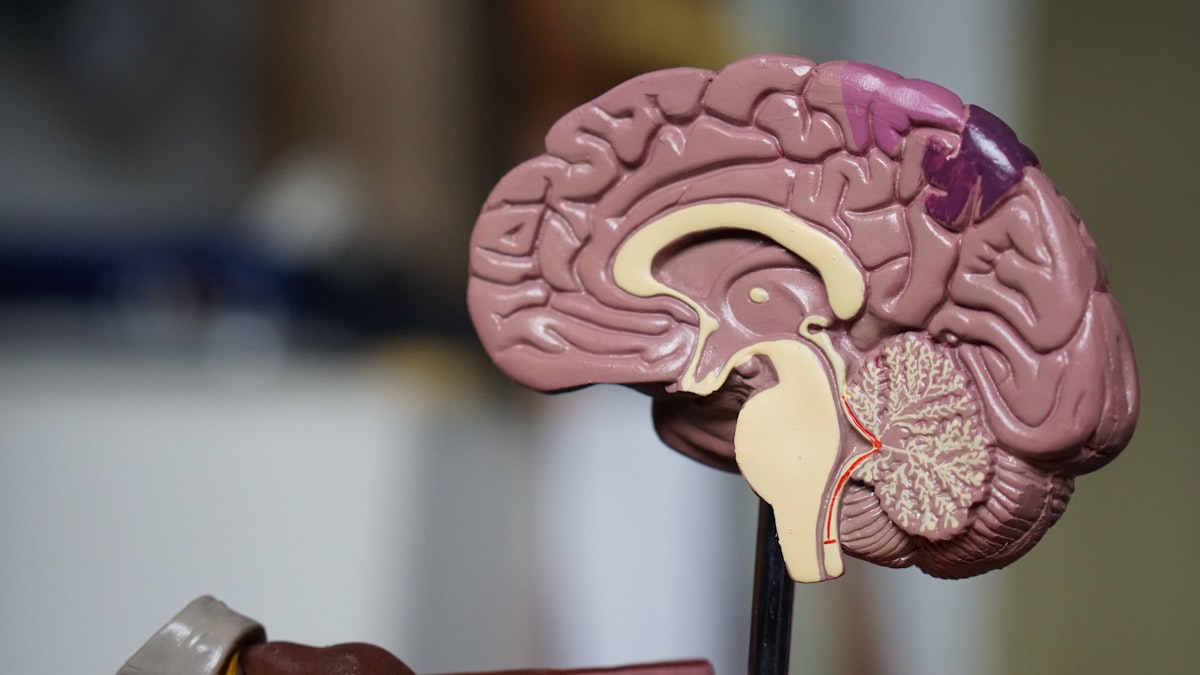
Microdosing and Mental Health: What the Evidence Says Today
A balanced look at microdosing claims, research limits, safety considerations, and why clinical screening still matters.

Corporate Layoffs and Mental Health: Coping With Uncertainty at Work
How layoffs affect anxiety, mood, and functioning—and practical steps plus WSAS screening to track impact and seek timely support.
Ready to understand your mental health?
Start with a clinically validated, confidential assessment. No waiting list, no appointment needed — just clarity, and a report your GP can act on today.
- Evidence-based tools
- Immediate results
- No credit card required