FOMO Explained: The Psychology of Fear of Missing Out
FOMO links to unmet needs for competence, autonomy, and connection—and drives compulsive checking. Naming it, notifications off, real relatedness.
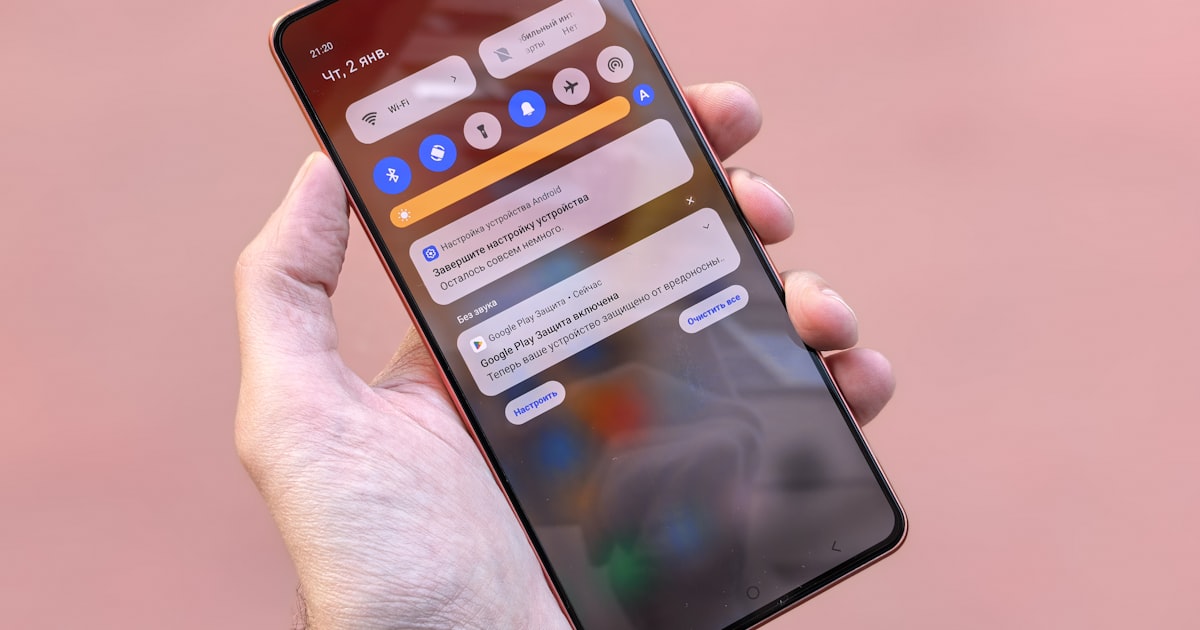
You refresh the group chat again. Everyone else seems at the dinner, the trip, the inside joke—and you are home wondering if you chose wrong. That restless pull is FOMO: fear of missing out. It is not vanity or weakness; it is a predictable response when social media amplifies comparison and when core psychological needs feel unmet. This guide unpacks the science, links FOMO to anxiety and loneliness, and offers practical steps that work better than endless checking.
What FOMO is—and what it is not
Researchers Andrew Przybylski and colleagues defined FOMO in 2013 as a pervasive apprehension that others might be having rewarding experiences from which one is absent, accompanied by a desire to stay continually connected with what others are doing. Their scale showed FOMO correlates with lower mood, lower life satisfaction, and problematic social media use (Przybylski et al. — motivational, emotional, and behavioral correlates of FOMO (PDF)).
FOMO is not the same as:
| Term | Difference |
|---|---|
| Healthy curiosity | Motivates planning without panic |
| Social anxiety | Fear of judgment in situations, not only absence from them |
| Envy | Focus on others' possessions/status; FOMO focuses on experiences and connection |
| ADHD distractibility | May co-occur; FOMO is driven by social comparison and need frustration |
Naming FOMO reduces shame. It turns "Why am I like this?" into "What need is loud right now?"
Self-determination theory: competence, autonomy, relatedness
Przybylski's work situates FOMO within self-determination theory. Humans thrive when three needs are met:
- Competence — feeling effective and skilled
- Autonomy — choosing actions aligned with values
- Relatedness — belonging and mutual care
When feeds show peers succeeding, traveling, or bonding without you, relatedness feels threatened. When you scroll instead of building skills, competence stalls. When algorithms choose your attention, autonomy erodes. FOMO is often the alarm—not the disease.
Social platforms supply relatedness substitutes: likes, comments, story views. They rarely satisfy the need for stable mutual relationships—the kind that lowers GAD-7 scores when WSAS social leisure improves.
How FOMO interacts with dopamine and feeds
Variable rewards keep you checking "in case something good is happening." That mechanism is dopamine-heavy anticipation, not calm enjoyment—see dopamine, screens, and scrolling. FOMO adds the social meaning to the ping: this alert might be proof I matter.
Push notifications are FOMO delivery systems. Infinite scroll is FOMO without end. Stories that disappear in 24 hours create artificial scarcity—miss it and it is gone forever—even when the moment was ordinary.
Muting non-essential channels for one week is a low-risk experiment: if anxiety drops but you still feel connected to close friends, your feed was likely amplifying exclusion cues rather than real relationships.
FOMO and anxiety: overlapping but distinct
Generalized anxiety brings worry about many domains—health, work, the future. FOMO narrows the lens to social exclusion and lost opportunity. They overlap when:
- You cancel plans then scroll others having fun (avoidance + comparison)
- You say yes to everything to avoid missing out (burnout)
- You rehearse conversations you were not part of (rumination)
Read understanding anxiety for body symptoms and alarm-system basics. If performance fear dominates in-person events, pair this guide with social anxiety coping strategies. Track both patterns on One Mental Hub—monthly GAD-7 plus a simple FOMO log (0–10 after scrolling) reveals whether comparison drives worry scores.
Digital habits that fuel FOMO
| Habit | Why it hurts | Experiment |
|---|---|---|
| Always-on notifications | Every buzz reopens "am I missing something?" | Batch to 2–3 times daily |
| Following hundreds of acquaintances | High noise, low intimacy | Curate to close circle + interests |
| Lurking without posting | One-way social comparison | Send one direct message instead of scrolling |
| Late-night scroll | Tired prefrontal control; mood drops | Phone out of bedroom per sleep hygiene |
| AI chat as social substitute | Instant relatedness mimic | Cap time; schedule human contact—see AI companions and loneliness |
Teens report higher FOMO in many surveys, but adults with careers, parenting, and remote work face continuous partial attention—always reachable, never fully present. Age differences matter for policy; suffering does not stop at 18 (social media: teens vs adults).
From FOMO to JOMO (without toxic positivity)
Joy of missing out (JOMO) is not pretending you do not care. It is choosing aligned absence: skipping the loud party because you wanted rest; muting the group chat during deep work; accepting that one path means not taking another.
Practices that help:
- Values filter — Before accepting an invite, ask: "Would future-me thank me, or am I afraid of being left out?"
- Scheduled offline blocks — Same time daily so FOMO cannot negotiate hour by hour
- Direct outreach — One meaningful conversation beats an hour of passive feed monitoring
- Gratitude for present choice — Name what you gain by not going (sleep, focus, family time)
Stoic framing from stoicism and mental health helps release others' opinions you cannot control—without using philosophy to avoid needed clinical care.
A one-week FOMO reduction plan
| Day | Focus | Action |
|---|---|---|
| 1 | Baseline | Rate FOMO 0–10 after each social app session; note trigger |
| 2 | Notifications | Turn off non-essential push alerts |
| 3 | Curate feed | Mute/unfollow accounts that spike comparison |
| 4 | Replace check | 10-minute walk before opening apps |
| 5 | Direct connection | Message one friend; no story watching |
| 6 | Evening boundary | No social apps after 9 p.m. |
| 7 | Review | Compare average FOMO score; retake GAD-7 if elevated |
If scores improve, keep two habits permanently. If FOMO stays high despite boundaries, consider therapy (CBT for rumination, ACT for values work)—types of therapy explained.
When FOMO signals clinical concern
Escalate beyond self-help when:
- PHQ-9 or GAD-7 stays ≥ 10 for two or more weeks
- You cannot enjoy activities you chose because you replay what others did
- Sleep, work, or relationships suffer from checking or overcommitting
- Substance use rises to tolerate social events or numb exclusion
- Loneliness persists despite digital connection—screen with WSAS
FOMO can worsen depression awareness symptoms when anhedonia makes others' joy feel like proof of your failure. That thought pattern is treatable; it is not truth.
Workplace and professional FOMO
LinkedIn and industry Slack create career FOMO: everyone else's promotion, conference, side project. Mitigations:
- Limit professional social to one block per week
- Define "enough" for your season (parenting year vs launch year)
- Share wins offline with a mentor who knows context
Burnout from saying yes to every network event mirrors social FOMO—see workplace burnout recovery when exhaustion dominates.
Parents and teens: reducing comparison pressure
Model bounded phone use. Discuss how curated posts omit boredom, conflict, and ordinary Tuesdays. Encourage in-person hobbies where skill-building meets relatedness—music, sport, service—so competence and belonging grow offline.
Swiss readers: national youth mental health resources in youth mental health in Switzerland complement household media plans.
Measuring progress responsibly
Use track your mental health over time principles: repeat screeners monthly, not hourly. Pair GAD-7 with a single weekly question: "How often did FOMO drive a decision this week?" Trend lines beat single bad nights.
Myths about FOMO
- "Delete social media and FOMO vanishes." Exclusion fear can move to email, news, or group texts.
- "FOMO means you are insecure." It often means needs are legitimately frustrated—address needs, not only thoughts.
- "More events fix FOMO." Overbooking increases exhaustion; values-based choosing helps more.
- "Only teenagers feel this." Adults with caregiving and careers face chronic partial availability.
Cultural and seasonal spikes
FOMO intensifies during holidays, summer travel season, wedding months, and conference cycles—when feeds concentrate highlight reels. Anticipate those windows with pre-planned boundaries rather than white-knuckling through them. A written "seasonal plan" (fewer apps, more scheduled friend time) prevents reactive all-or-nothing bans that usually fail by week three.
Building relatedness that satisfies
FOMO fades when mutual relationships grow:
- Recurring low-stakes contact (weekly walk, standing coffee)
- Groups with shared task, not only performance (volunteer shift, class)
- Therapy or peer support when shame blocks initiation—how to find a therapist
Algorithms offer relatedness theater. Humans offer reciprocity—the antidote Przybylski's framework predicts.
References and further reading
- Przybylski et al. (2013) — FOMO scale and correlates (PDF)
- Dopamine and screens
- Social media: teens vs adults
- Understanding anxiety
- AI companions and loneliness
This article is educational, not a diagnosis or treatment plan. Review our medical disclaimer. Seek emergency services for crisis symptoms.
Digital tools should complement human care when scores rise or safety concerns appear—not replace crisis lines or licensed evaluation.
Feeds and notifications are designed for engagement, not wellbeing. Small friction changes—grayscale, time limits, bedroom phone ban—often lower baseline arousal enough for sleep and mood screeners to improve modestly.
Teens and adults use platforms differently; age alone does not predict risk. Watch sleep, withdrawal, and school or work engagement rather than screen hours alone.
If a strategy helps briefly then fades, treat that as information: you may need higher-intensity care, environmental change, or a different technique—not more willpower alone.
Small, repeatable habits—sleep timing, movement, social contact, bounded worry time—support most mental health plans. They rarely replace treatment when screeners stay in moderate-to-severe ranges.
The takeaway
FOMO is the felt signal that competence, autonomy, or relatedness may be unmet—amplified by feeds designed for perpetual checking. Turning off notifications, curating who you follow, and investing in reciprocal offline connection address the need behind the fear. When FOMO persists with high anxiety or low mood despite boundaries, measurement and professional support turn comparison from a lifestyle into a treatable pattern.
Related guides
For scrolling mechanics: dopamine and screens. For in-person fear: social anxiety coping strategies. For loneliness boundaries: AI companions and loneliness.
Trends guides
How bans and billion-dollar settlements shaped 2026: youth social media bans and Meta settlement.