Types of Meditation Explained: Which One Fits Your Mind?
Mindfulness, loving-kindness, body scan, focused attention, and movement meditation—what each style is good for and what research suggests.
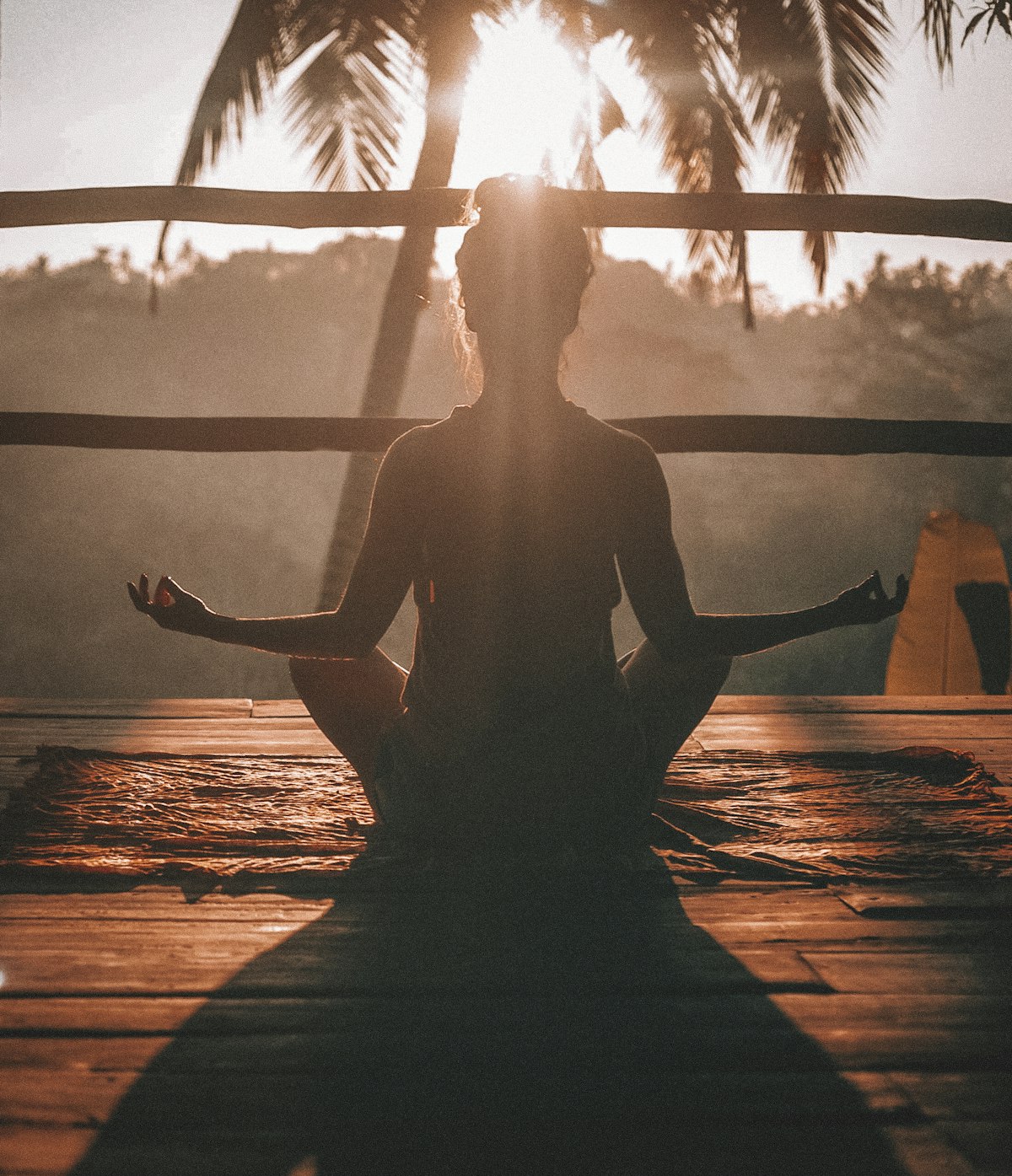
Meditation is not one practice—it is a family of attention trainings with different goals. This map of different types of meditation and their benefits helps you choose among mindfulness, loving-kindness, body scan, focused attention, and movement styles without committing to a tradition you do not want.
Mindfulness (open monitoring)
Mindfulness cultivates present-moment awareness of breath, body, thoughts, and sounds without chasing or fighting them. Modern programs like MBSR adapt Buddhist-derived techniques into secular health contexts—see Buddhist philosophy and stress.
Good for: stress reduction, emotional regulation, pairing with therapy.
Evidence: NCCIH notes moderate support for anxiety and depression when practiced regularly.
Focused-attention / breath meditation
You anchor on one object—nostril breath, candle flame, word—and gently return when distracted. Simpler than open monitoring for beginners.
Good for: concentration, performance anxiety, sleep wind-down.
Try our breathing exercise as a micro-version.
Loving-kindness (metta)
You silently offer goodwill phrases to yourself, loved ones, neutral people, and eventually difficult people. Cultivates warmth and reduces self-criticism.
Good for: shame, loneliness, anger rumination.
Body scan
Attention moves systematically through regions, noticing sensation without fixing. Common in MBSR and sleep protocols.
Good for: somatic anxiety, tension headaches, pre-sleep calming.
Overlaps with mindfulness techniques in daily life.
Transcendental Meditation and mantra styles
Repetition of a mantra with effortless return—often taught in structured courses. Research exists on blood pressure and stress; comparisons to mindfulness are mixed by study quality.
Good for: people who want a private assigned focus word and teacher-led training.
Movement meditation
Walking meditation, gentle yoga, and yoga nidra pair attention with slow movement. Helpful when sitting still triggers restlessness or trauma sensitivity.
Good for: ADHD traits, high arousal, desk workers breaking rumination.
Matching style to goal
| Goal | Styles to try first |
|---|---|
| Calm daily stress | Breath focus, brief mindfulness |
| Self-compassion | Loving-kindness |
| Sleep | Body scan, breathing |
| Focus at work | Short focused-attention breaks |
| Social anxiety | Loving-kindness + gradual exposure outside meditation |
Read meditation for beginners with anxiety for a five-minute starter routine.
Evidence summary in plain language
Meditation is not a replacement for treatment of moderate-severe depression, PTSD, or bipolar disorder. As an adjunct, mindfulness-based programs show small to moderate benefits for anxiety and stress symptoms in systematic reviews—effect sizes rival light exercise for some adults.
Consistency beats intensity: five minutes daily often outperforms heroic monthly retreats.
Building a personal practice menu
You need not pick one tradition forever. A menu approach reduces burnout:
- Weekday mornings — 3 minutes breath focus before email
- High-stress days — 5-minute walking meditation at lunch
- Bedtime — 10-minute body scan from sleep hygiene checklist
- Shame spirals — loving-kindness phrases toward yourself
- Therapy weeks — mindfulness of emotions before session
Rotate styles using types of meditation explained as reference—not homework perfection.
Retreats, apps, and teacher relationships
Silent retreats help some people consolidate practice; others find them destabilizing with trauma or bipolar history—ask a clinician before multi-day silence. Start with day retreats or MBSR eight-week classes with trauma-sensitive instructors.
Apps (Headspace, Calm, Insight Timer, etc.) lower friction but vary in evidence and privacy policies. Free timers plus YouTube teachers work if subscriptions strain budget.
Lineage teachers matter for mantra or koan traditions—DIY TM-style repetition without instruction is less studied. Buddhist-derived secular programs (MBSR, MBCT) bridge clinic and tradition without requiring conversion.
Meditation vs therapy: division of labor
| Meditation excels at | Therapy excels at |
|---|---|
| Daily arousal regulation | Processing trauma memory safely |
| Noticing thought patterns | Behavioral exposure hierarchy |
| Self-compassion practice | Diagnosis, meds, safety planning |
| Sleep wind-down | Relationship and family systems |
If GAD-7 stays elevated after two months of consistent practice, add how to find a therapist search—not another app subscription alone.
Secular vs religious traditions
Mindfulness comes from Buddhist lineages; TM from Hindu-inspired teaching; centering prayer from Christian contemplative traditions. Secular practitioners can borrow techniques without adopting metaphysics—MBSR pioneered this bridge. If religious framing helps you, integrate with clergy you trust; if it repels you, secular programs remain valid.
Respect matters: avoid commodifying sacred traditions without acknowledgment; also avoid gatekeeping—clinical mindfulness programs help millions without conversion.
Troubleshooting common practice problems
| Problem | Try |
|---|---|
| Sleepiness | Open eyes, stand, morning practice |
| Restlessness | Shorter sessions, movement meditation |
| Self-judgment | Loving-kindness phrases |
| No time | Anchor to existing habit (coffee, commute) |
| Boredom | New style for one week, then return to core |
Consistency over novelty—switch styles when stuck, not daily.
MBCT and clinical mindfulness programs
Mindfulness-Based Cognitive Therapy (MBCT) blends mindfulness with CBT relapse-prevention for recurrent depression—delivered in eight-week group formats with homework. It is not casual app use; instructors follow manuals and study outcomes. Ask whether a local MBCT group fits before self-directing silent retreats.
MBCT complements medication taper plans in some protocols—only with psychiatric oversight. Track mood with PHQ-9 during any program shift.
Loving-kindness when self-criticism dominates
If shame loops block other styles, start with metta phrases even before breath focus: "May I be safe. May I be well." Extend slowly; forced forgiveness of abusers is not required. Loving-kindness pairs well with depression awareness work when inner voice is harsh.
Trauma survivors should shorten sessions and keep eyes open if body scan triggers flashbacks—modify before quitting all practice.
Sample weekly rotation for curious beginners
| Day | Style | Duration |
|---|---|---|
| Mon | Breath focus | 5 min |
| Tue | Loving-kindness | 5 min |
| Wed | Walking meditation | 10 min |
| Thu | Body scan (short) | 8 min |
| Fri | Breath focus | 5 min |
| Sat | Rest or review | — |
| Sun | Breathing exercise | 3 min |
Adjust for energy and clinical advice—rotation prevents boredom without chasing ten traditions at once. Log GAD-7 monthly on One Mental Hub if anxiety is the primary target.
Silence is not the only valid meditation object—some traditions use soft music or guided voice; choose anchors that keep you practicing, not performing enlightenment.
Teachers worth paying ask about your psychiatric history before recommending long retreats—good instruction adapts to trauma, bipolar, and psychosis risk rather than pushing universal silence.
When to seek professional help
Seek care when meditation increases dissociation, panic, or self-harm thoughts—especially with trauma history. Clinicians can recommend trauma-sensitive modifications or prioritize therapy first.
Track anxiety with GAD-7 on One Mental Hub while building practice.
References and further reading
Review our medical disclaimer.