Holiday Season Mental Health: Why the "Most Wonderful Time" Isn't for Everyone
64% of people with a mental health condition say the holidays worsen symptoms. Loneliness, grief, seasonal depression, the December suicide myth, and what actually helps.
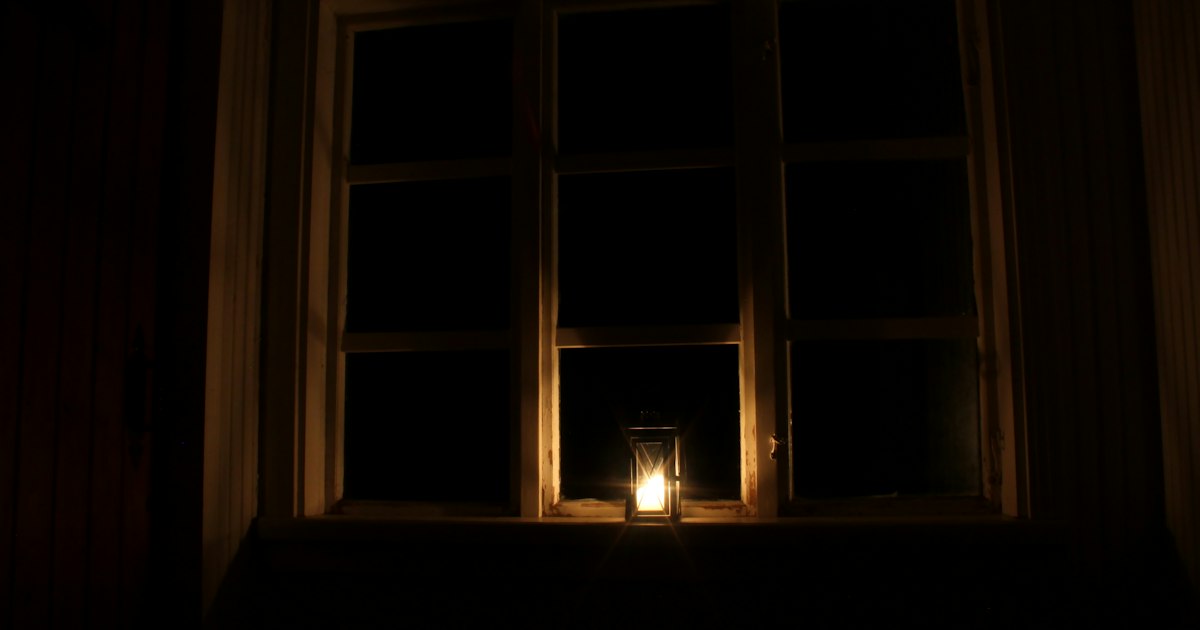
The holidays come with a script: warmth, family, gratitude, joy. The data tells a more complicated story. Many people find the season measurably harder, and for people already living with a mental health condition it is often the toughest stretch of the year. If December feels heavy, you are not doing the holidays wrong. You are in a very large company.
How common holiday stress actually is
Surveys repeatedly find that a large share of adults feel more stressed, sad, or anxious around the holidays than at other times of year. The finding that matters most comes from the National Alliance on Mental Illness (NAMI): in its survey, 64% of people with a diagnosed mental health condition said the holidays make their symptoms worse.
That is not "busy season" fatigue. It is a measurable shift in symptom severity among people who already carry a heavier baseline, whether that is depression, anxiety, an eating disorder, or trauma-related symptoms. Money pressure, disrupted routines, travel, alcohol, short daylight, and family dynamics all pile onto the same few weeks.
Loneliness has its own holiday pattern
Loneliness surveys from recent holiday seasons show that a majority of people expect to feel lonely or sad at some point over the holidays. The gap is wider for specific groups:
- LGBTQ+ people report the highest rates of holiday loneliness, often linked to strained or broken family relationships
- Single adults and younger adults report higher-than-average loneliness
- The most common reasons given are not being near loved ones, seasonal low mood, and grief
The cultural message that everyone is gathered somewhere warm makes loneliness sharper. Comparison does the damage, not only the absence. If you have been turning to apps or chatbots for company, our piece on AI companions and loneliness looks at where that helps and where it can deepen isolation.
Grief gets louder in December
For bereaved people, the holidays are built out of reminders: decorations that someone else used to hang, traditions that now have a gap in them, an empty chair at the table. Survey data suggests that somewhere between a quarter and a half of bereaved people do not feel like celebrating because of grief.
This is why grief that felt settled in spring can reopen in December. That is not a setback in "getting over it". The calendar is doing what it was designed to do: bring memory to the surface. Our guide to grief and loss explains when mourning becomes something you should not carry alone, including how prolonged grief differs from depression.
Small, deliberate choices help: keeping one tradition and letting another go, setting a place or lighting a candle on purpose, or telling family in advance that you may need to step out.
Holiday stress and seasonal depression are two different things
The holidays fall inside the darkest weeks of the year. In Switzerland and across northern Europe, that is exactly when seasonal affective disorder (SAD) symptoms peak: low energy, oversleeping, carbohydrate cravings, and withdrawal.
So for some readers, what feels like "holiday stress" is partly a light-driven seasonal mood pattern with social pressure on top. Those are two distinct mechanisms that overlap in time, and they respond to different things. Better boundaries will not fix a circadian problem, and a light box will not fix a difficult family. Our article on seasonal affective disorder in Switzerland covers the light-therapy evidence and how to tell winter blues from clinical SAD.
A myth worth correcting: the "holiday suicide spike"
A common belief says suicides rise sharply over Christmas and New Year. They do not. Analyses of official mortality data by the Annenberg Public Policy Center have repeatedly found that December has among the lowest daily suicide rates of the year, often the lowest of any month. Annenberg has also tracked how often news stories repeat the myth anyway.
Correcting this does not minimize holiday distress. The pain described above is real. But the myth is unhelpful: it can make suicidal thoughts seem expected or normal at this time of year, and it pulls attention away from the months when risk is in fact higher. Suicidal thoughts deserve urgent support whenever they happen, in December or in May.
What actually helps
Evidence-based approaches are simpler than most holiday advice:
- Behavioral activation. Withdrawal feels protective but feeds low mood. Schedule small, specific things that bring connection or a sense of achievement: a walk with one friend, a phone call, an hour of a hobby. Plan them in advance instead of waiting to feel like it.
- Realistic expectations about family. Families rarely change because it is the holidays. Decide in advance what you will engage with, what you will leave, and how long you will stay.
- Permission to decline. Not every invitation, gift exchange, or obligation is mandatory. Saying no to one thing protects the energy for another.
- Protect the basics. Sleep, daylight, movement, and moderate alcohol matter more in December, not less.
If the season mostly feels like a to-do list you are running for everyone else, our article on mental load and maternal burnout looks at the invisible planning work that peaks around holidays, and how to redistribute it.
When to seek support
Self-management is a reasonable first step. It is not the only one. Reach out to a GP, therapist, or psychiatrist when:
- Low mood, anxiety, or grief does not ease once the season passes
- Sleep, work, or relationships are clearly suffering
- You are using alcohol or other substances to get through
- You notice any thoughts of self-harm or suicide, at any time of year
A short, validated questionnaire can turn "I don't feel right" into something concrete to bring to an appointment. PHQ-9 screens for depression and GAD-7 for anxiety. Repeating them in January shows whether things lifted with the season or stayed. Your Mental Health Score on One Mental Hub brings those results together over time.
If you are in crisis: in Switzerland, call 144 for emergencies or 143 (Die Dargebotene Hand / La Main Tendue / Telefono Amico) to talk to someone, day or night. Young people can call 147. Elsewhere, contact local emergency services or a crisis line in your country.
Take the PHQ-9 screening online
Explore what PHQ-9 measures, how scoring works, and when to seek help on our PHQ-9 screening page. When you are ready, start a confidential assessment on One Mental Hub.
References and further reading
- Solace Health — Managing depression during the holidays (NAMI survey, holiday grief)
- ValuePenguin — Holiday loneliness survey
- Texas Health Resources — Mental health and the holidays
- Howard University, The Dig — Help for holiday loneliness (Annenberg suicide-rate data)
- eCare Behavioral Institute — Holiday mental health statistics
Related guides
- Grief and loss: when mourning becomes too much to carry alone
- Seasonal affective disorder in Switzerland
- AI companions and loneliness
- Mental load and maternal burnout
- PHQ-9 depression screening guide
- GAD-7 anxiety screening explained
- Mental health screenings hub
This article is educational and does not replace medical advice, diagnosis, or treatment. Only a qualified clinician can diagnose depression, anxiety, or seasonal affective disorder. If you are in crisis, contact emergency services or a crisis line in your country. Review our medical disclaimer.